The village of Saint Marcellin-lès-Vaison is located three kilometers from Vaison-la-Romane on a territory partly limited by the Ouvèze and crossed by the Lauzon.
It was during the Renaissance that the Taulignan seigneurial family, from Dauphiné, settled in the region.
Blégier's family acquired the whole seigneury, since on 29 Nov. 1689 Joseph Louis Bernard Blégier de Taulignan paid tribute to the king Dauphin. It is to this family that one owes the construction of the castle of Taulignan to the XVIe century. The records of communal deliberations show that the Marquis de Taulignan left the commune in 1883, after having sold his castle threatening ruins in several points to Mr.Leydier charron in Vaison.
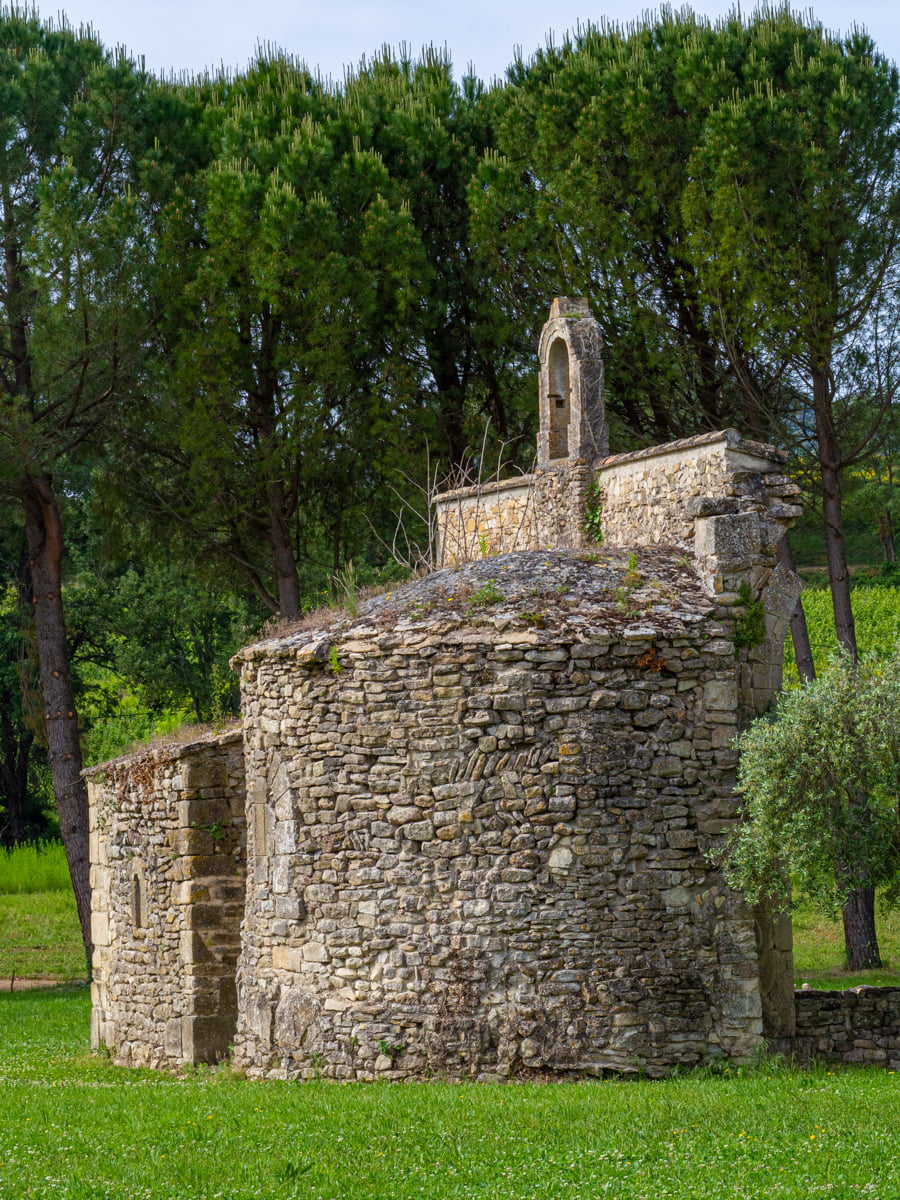
Close to the castle is the castral chapel dedicated to Saint-Marcellin which has been the subject of a search by Marie-Pierre Estienne published in "Châteaux medievales dans les Baronnies X-XIVe "The Blegiers » are known since the XIIIe century.
They own the seigneury of Taulignan (26).
The distinguished Blegier family of Taulignan, whose representatives descend on the legitimate line of Louis le Gros,
by covenant with the Montpezat, succeeded under Louis XIV to the ancient house of Taulignan.
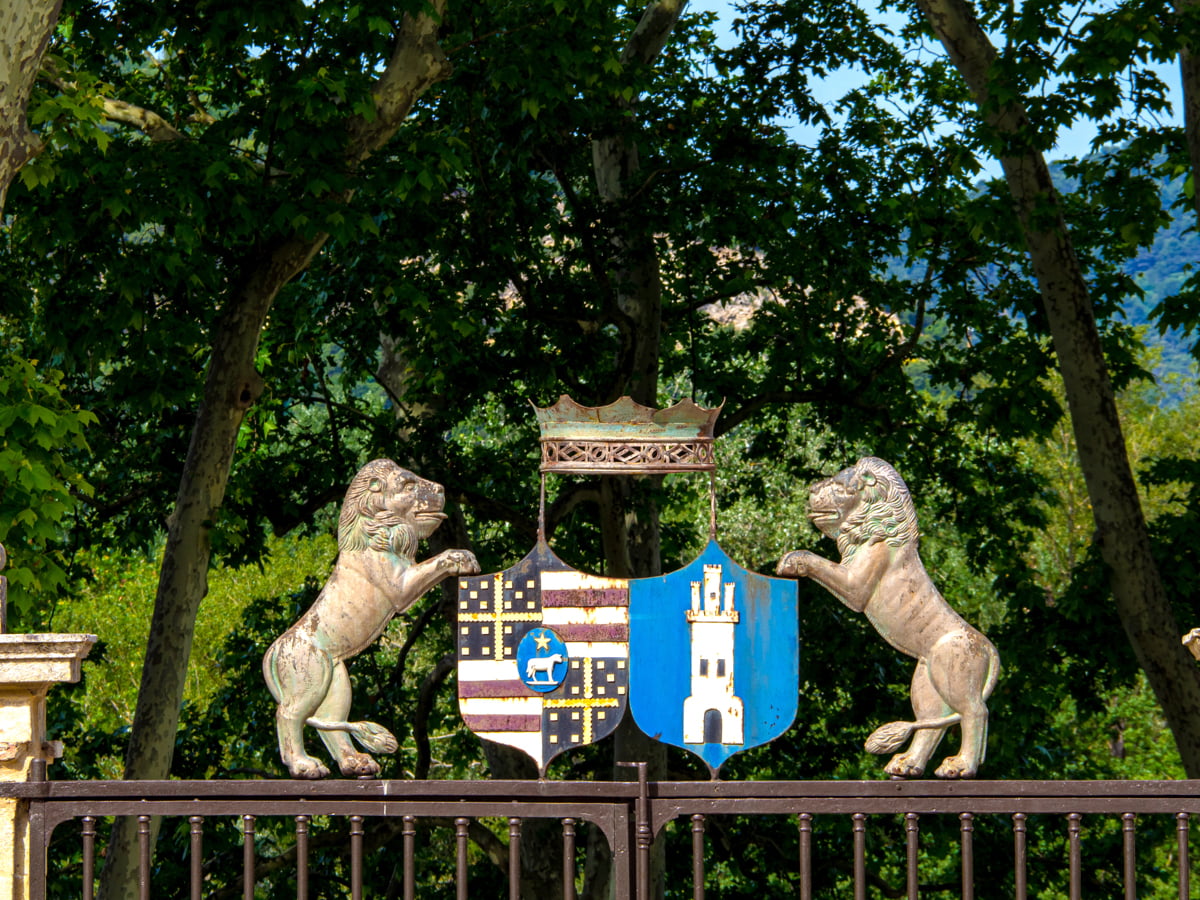
Too often, the heraldic is regarded as a discipline dominated either by nobiliary pretensions, by symbolic or esoteric concerns, or by the effect « bling bling ».
In fact, the coat of arms identifies a family, a person; in addition to giving « civil status » to many objects: artwork, antiques, dishes, books, etc., while dating them.
Blégiers de Taulignan « Right of images ».
Everyone can discover that his name left a « right of images » from ancient times. Thus, in Roman law, the privilege originally possessed by the patricians alone was named to expose, under the atrium of their house, their own image and those of their ancestors. In some cases, the images of his ancestors were broken and thrown down to trample them. This was later done for the coat of arms of the nobles during the French Revolution.
Archaeological research has been carried out on various sites in the commune of St.Marcellin. Fragments of dolia, tiles, tusses or tegulae have been found in the Ramade and Grès districts. Near Taulignan Castle was discovered a votive altar carrying a dedication to Jupiter. In the immediate vicinity of the chapel of Saint Marcellin south of the castle of Taulignan, fragments of sarcophagus and tombs of the late antiquity were found. In 1830, a bronze statuette of Bacchus was found on the Darbousset mountain and has been preserved since at the Calvet Museum.